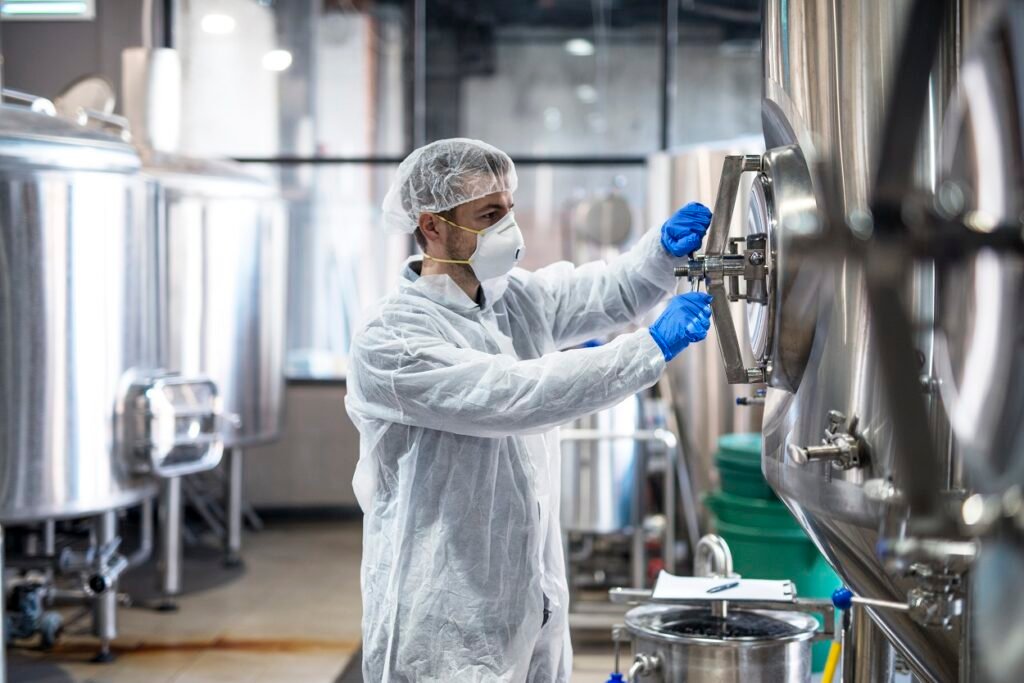
India’s food processing industry is growing rapidly, creating exciting opportunities for entrepreneurs, startups, and established businesses. From packaged snacks and ready-to-eat meals to dairy products, beverages, and frozen foods, food manufacturing offers significant business potential. However, setting up a manufacturing facility requires careful planning, investment, technical knowledge, and regulatory compliance.
Whether you are planning a small-scale production unit or a large manufacturing facility, understanding the process of Food Factory Setup can help you avoid costly mistakes and build an efficient business. In this guide, we explore the essential steps involved in establishing a food manufacturing factory in India.
1. Identify Your Food Manufacturing Business
The first step is deciding which food products you want to manufacture. Your product category will determine the machinery, infrastructure, workforce, storage facilities, and investment required.
Some popular food manufacturing categories include:
- Packaged and processed foods
- Bakery and confectionery products
- Dairy and milk-based products
- Frozen and ready-to-eat foods
- Snacks and namkeen
- Sauces, spices, and condiments
- Fruit juices and packaged beverages
Conduct market research to understand customer demand, competitors, pricing, and distribution opportunities. A well-defined business model will make your factory planning more effective.
2. Prepare a Business Plan and Estimate the Cost
Before starting construction or purchasing machinery, prepare a detailed business plan. Your plan should include production capacity, target customers, raw material requirements, operating expenses, and expected revenue.
The overall Food Factory Setup cost depends on several factors, including:
- Land purchase or factory rental
- Building construction and infrastructure
- Food processing machinery and equipment
- Electrical installations and utilities
- Water treatment and waste management systems
- Packaging and storage facilities
- Labour and operational expenses
- Licences and regulatory approvals
A small-scale food manufacturing unit may require a significantly lower investment than an automated industrial facility. Therefore, obtain quotations from machinery suppliers and consult technical experts before finalising your budget.
3. Choose the Right Factory Location
Location plays an important role in the success of a food manufacturing business. Ideally, your factory should have convenient access to raw materials, transportation networks, labour, electricity, and water.
Consider the following factors when selecting a location:
- Availability of industrial land or approved premises.
- Proximity to raw material suppliers.
- Reliable electricity and water supply.
- Proper drainage and waste disposal.
- Transportation and logistics connectivity.
- Space for future expansion.
The factory location should also meet applicable industrial zoning, environmental, and local authority requirements.
4. Design an Efficient Factory Layout
A well-planned factory layout improves production efficiency, hygiene, safety, and workflow. It should allow raw materials to move through processing, packaging, and finished-product storage without unnecessary cross-contamination.
Important areas may include:
- Raw material receiving and inspection.
- Processing and manufacturing sections.
- Quality testing laboratories.
- Packaging and labelling areas.
- Finished goods storage.
- Staff changing and sanitation facilities.
- Waste management and utility sections.
Working with an experienced Food Factory Consultant can help you design a practical layout based on your product category, production capacity, and regulatory requirements.
5. Select the Right Machinery and Equipment
Machinery selection depends on the type of food products, manufacturing process, and desired production capacity.
Common equipment used in food manufacturing facilities includes mixers, grinders, boilers, ovens, conveyors, filling machines, sealing machines, refrigeration systems, and packaging equipment.
If you are planning a Beverage Plant Setup, additional machinery may be required, such as:
- Water treatment and filtration systems.
- Mixing and blending tanks.
- Pasteurisation equipment.
- Beverage processing systems.
- Bottle washing and rinsing machines.
- Filling and capping machines.
- Labelling and packaging systems.
Choose machinery based on production requirements, energy efficiency, maintenance needs, automation, and after-sales support.
6. Obtain Necessary Licences and Approvals
Regulatory compliance is essential when establishing a food manufacturing facility in India. Depending on the business activity, production capacity, and location, you may require:
- FSSAI registration or licence.
- Factory licence, where applicable.
- GST registration, as applicable.
- Pollution control approvals and consents.
- Fire safety approvals.
- Local building and trade permissions.
- Other applicable industrial and environmental clearances.
You should also establish appropriate food safety and quality management procedures. Requirements vary according to the nature and scale of operations, so verify the applicable approvals before starting production.
7. Focus on Quality Control and Food Safety
Food safety should be a priority from the beginning. Poor hygiene, incorrect storage, and inconsistent manufacturing processes can affect product quality and customer trust.
Develop standard operating procedures (SOPs) for cleaning, equipment maintenance, raw material inspection, production monitoring, and finished-product testing.
Implement suitable quality management practices, including HACCP-based food safety controls where applicable. Regular staff training and product testing can help maintain consistent quality.
8. Why Hire a Professional Food Factory Consultant?
Setting up a food manufacturing facility involves several technical and operational decisions. An experienced Food Factory Consultant can help entrepreneurs plan the project, select suitable machinery, develop factory layouts, evaluate investment requirements, and coordinate different stages of implementation.
Professional consultancy can also help with feasibility assessments, process selection, production planning, and commissioning support.
For businesses planning a Beverage Plant Setup, specialised guidance is particularly useful because beverage manufacturing involves product formulation, water treatment, processing, filling, packaging, and quality control.
Prowess Buzz provides food factory setup and consultancy support to businesses looking to establish or expand manufacturing facilities. Professional guidance can help you make informed decisions and develop a facility aligned with your production objectives.
9. Plan for Future Expansion
Your factory should be designed with future growth in mind. Consider additional production lines, increased storage capacity, automation, and new product categories during the initial planning stage.
A scalable factory design can reduce the need for expensive structural changes when your business expands. This is particularly important for businesses planning to introduce new food or beverage products in the future.
Conclusion
Setting up a food manufacturing factory in India requires a combination of business planning, technical expertise, investment, infrastructure, and regulatory compliance. From selecting the right location and machinery to designing an efficient production layout, every stage contributes to long-term success.
Whether you are planning a new Food Factory Formation project or exploring a Beverage Plant Setup, working with experienced professionals can simplify the process and help you avoid common challenges.
Visit Prowess Buzz to explore professional food factory setup and consultancy services for your manufacturing project.
Frequently Asked Questions (FAQs)
1. How much does it cost to set up a food manufacturing factory in India?
The cost depends on factory size, production capacity, land, machinery, automation, and infrastructure. A small-scale unit requires a different investment compared to a large automated manufacturing facility. A feasibility study can help estimate the project cost.
2. Why should I hire a Food Factory Consultant?
A Food Factory Consultant can assist with project planning, factory layout design, machinery selection, production processes, feasibility studies, and implementation guidance.
3. What licences are required for food factory setup in India?
Depending on the business, you may require an FSSAI licence, factory licence, GST registration, pollution control approvals, fire safety approvals, and other applicable permissions.
4. What machinery is required for a food manufacturing factory?
Common machinery includes mixers, grinders, processing equipment, boilers, conveyors, filling machines, packaging machines, and refrigeration systems. Requirements vary depending on the products being manufactured.
5. What is included in a Beverage Plant Setup?
A beverage plant setup may include water treatment, ingredient mixing, processing, pasteurisation, filling, capping, labelling, packaging, and quality testing facilities.
6. How long does it take to establish a food manufacturing factory?
The timeline depends on project size, land availability, construction, machinery procurement, installation, commissioning, and regulatory approvals. Small projects may take less time than large industrial facilities.
7. What is Food Factory Formation?
Food Factory Formation refers to the overall process of establishing a food manufacturing facility, including business planning, infrastructure development, machinery installation, regulatory compliance, and production preparation.
8. Can a consultant help with both food and beverage manufacturing plants?
Yes. A consultancy with relevant technical expertise can support both food manufacturing and beverage projects, including feasibility planning, plant layout, machinery selection, production planning, and commissioning.